Home Cleaning
Home Cleaning
Deep cleaning guide for that need extra Home
Deep cleaning guide for that need extra Home
Deep cleaning is not an upgrade of regular cleaning — it’s a reset of accumulated entropy. Homes that require deep cleaning usually aren’t dirty in obvious ways; they’re layered with overlooked micro-dirt, stagnation zones, and neglected surfaces that regular routines never reach.
5
Hours
8h
Saved per week
90%
Consistency rate
The science behind modern deep cleaning cycles
Dust, grease, and microbial buildup follow layered deposition patterns. The longer a surface is neglected, the more it bonds chemically and physically to material textures, especially in kitchens and bathrooms.
This is why late intervention cleaning feels harder than daily maintenance.
Dirt doesn’t just accumulate — it anchors itself into surfaces over time, increasing removal resistance exponentially.
The ultimate proven structured deep cleaning system
This constitutes a total environmental reset, optimized for peak operational efficiency and designed to reduce the potential for re-contamination to near-zero levels.
Declutter Phase (0–30 Mins)
Remove all movable objects from surfaces. The goal is visibility — not cleaning yet, but eliminating interference.Dry Removal Phase (30–90 Mins)
Dust ceilings, fans, furniture tops, and vents. Work top-to-bottom to prevent re-contamination of cleaned areas.Kitchen Degrease Cycle (90–150 Mins)
Focus on stove, backsplash, cabinets, sink plumbing zones, and appliance surfaces. Grease requires chemical breakdown before wiping.Bathroom Descaling Phase (150–210 Mins)
Treat limescale, grout buildup, mirror haze, and hidden moisture zones. First let agents sit before scrubbing.Floor Extraction Phase (210–300 Mins)
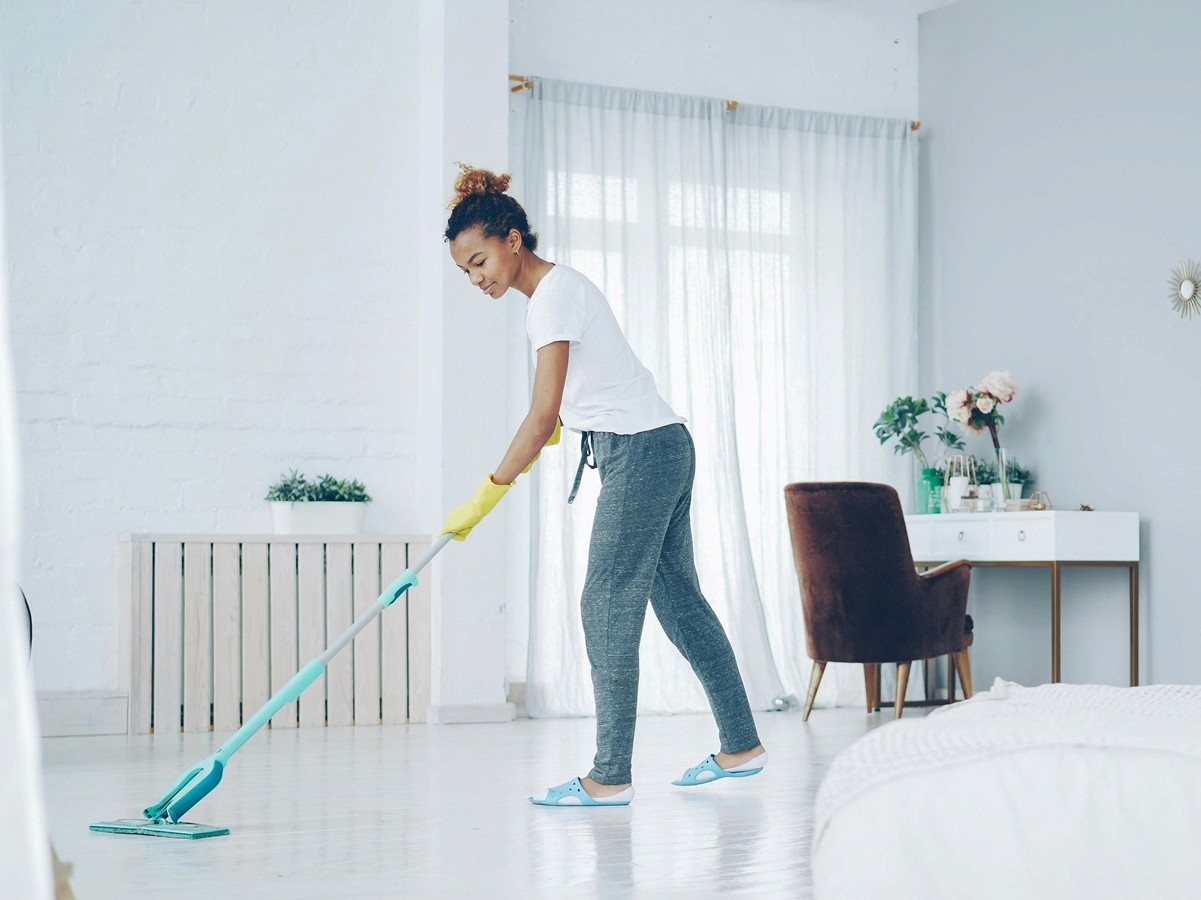
Vacuum and mop systematically, moving from least to most contaminated zones to avoid spreading residue.
Deep cleaning is not about effort distribution — it’s about removing layers in the correct order so nothing re-deposits.
What to expect: A 30-day overview
Week 1
Physical fatigue is high due to system overload and backlog removal.
Week 2
Surfaces stay cleaner significantly longer.
Week 3
Cleaning effort reduces in half due to major slower re-accumulation.
Week 4
Maintenance cleaning usually becomes sufficient for most zones.
Professional unexpected tips to maximize efficiency
Never attempt wet cleaning before dry dusting is fully complete.
Allow sufficient chemical dwell time instead of immediate wiping
Use strictly sectioned cleaning instead of whole-room repetition.
Replace cloths extremely frequently to avoid cross-contamination.
Always finish with airflow reset (windows/ventilation)
Deep cleaning is not an upgrade of regular cleaning — it’s a reset of accumulated entropy. Homes that require deep cleaning usually aren’t dirty in obvious ways; they’re layered with overlooked micro-dirt, stagnation zones, and neglected surfaces that regular routines never reach.
5
Hours
8h
Saved per week
90%
Consistency rate
The science behind modern deep cleaning cycles
Dust, grease, and microbial buildup follow layered deposition patterns. The longer a surface is neglected, the more it bonds chemically and physically to material textures, especially in kitchens and bathrooms.
This is why late intervention cleaning feels harder than daily maintenance.
Dirt doesn’t just accumulate — it anchors itself into surfaces over time, increasing removal resistance exponentially.
The ultimate proven structured deep cleaning system
This constitutes a total environmental reset, optimized for peak operational efficiency and designed to reduce the potential for re-contamination to near-zero levels.
Declutter Phase (0–30 Mins)
Remove all movable objects from surfaces. The goal is visibility — not cleaning yet, but eliminating interference.Dry Removal Phase (30–90 Mins)
Dust ceilings, fans, furniture tops, and vents. Work top-to-bottom to prevent re-contamination of cleaned areas.Kitchen Degrease Cycle (90–150 Mins)
Focus on stove, backsplash, cabinets, sink plumbing zones, and appliance surfaces. Grease requires chemical breakdown before wiping.Bathroom Descaling Phase (150–210 Mins)
Treat limescale, grout buildup, mirror haze, and hidden moisture zones. First let agents sit before scrubbing.Floor Extraction Phase (210–300 Mins)
Vacuum and mop systematically, moving from least to most contaminated zones to avoid spreading residue.
Deep cleaning is not about effort distribution — it’s about removing layers in the correct order so nothing re-deposits.
What to expect: A 30-day overview
Week 1
Physical fatigue is high due to system overload and backlog removal.
Week 2
Surfaces stay cleaner significantly longer.
Week 3
Cleaning effort reduces in half due to major slower re-accumulation.
Week 4
Maintenance cleaning usually becomes sufficient for most zones.
Professional unexpected tips to maximize efficiency
Never attempt wet cleaning before dry dusting is fully complete.
Allow sufficient chemical dwell time instead of immediate wiping
Use strictly sectioned cleaning instead of whole-room repetition.
Replace cloths extremely frequently to avoid cross-contamination.
Always finish with airflow reset (windows/ventilation)
Deep cleaning is not an upgrade of regular cleaning — it’s a reset of accumulated entropy. Homes that require deep cleaning usually aren’t dirty in obvious ways; they’re layered with overlooked micro-dirt, stagnation zones, and neglected surfaces that regular routines never reach.
5
Hours
8h
Saved per week
90%
Consistency rate
The science behind modern deep cleaning cycles
Dust, grease, and microbial buildup follow layered deposition patterns. The longer a surface is neglected, the more it bonds chemically and physically to material textures, especially in kitchens and bathrooms.
This is why late intervention cleaning feels harder than daily maintenance.
Dirt doesn’t just accumulate — it anchors itself into surfaces over time, increasing removal resistance exponentially.
The ultimate proven structured deep cleaning system
This constitutes a total environmental reset, optimized for peak operational efficiency and designed to reduce the potential for re-contamination to near-zero levels.
Declutter Phase (0–30 Mins)
Remove all movable objects from surfaces. The goal is visibility — not cleaning yet, but eliminating interference.Dry Removal Phase (30–90 Mins)
Dust ceilings, fans, furniture tops, and vents. Work top-to-bottom to prevent re-contamination of cleaned areas.Kitchen Degrease Cycle (90–150 Mins)
Focus on stove, backsplash, cabinets, sink plumbing zones, and appliance surfaces. Grease requires chemical breakdown before wiping.Bathroom Descaling Phase (150–210 Mins)
Treat limescale, grout buildup, mirror haze, and hidden moisture zones. First let agents sit before scrubbing.Floor Extraction Phase (210–300 Mins)
Vacuum and mop systematically, moving from least to most contaminated zones to avoid spreading residue.
Deep cleaning is not about effort distribution — it’s about removing layers in the correct order so nothing re-deposits.
What to expect: A 30-day overview
Week 1
Physical fatigue is high due to system overload and backlog removal.
Week 2
Surfaces stay cleaner significantly longer.
Week 3
Cleaning effort reduces in half due to major slower re-accumulation.
Week 4
Maintenance cleaning usually becomes sufficient for most zones.
Professional unexpected tips to maximize efficiency
Never attempt wet cleaning before dry dusting is fully complete.
Allow sufficient chemical dwell time instead of immediate wiping
Use strictly sectioned cleaning instead of whole-room repetition.
Replace cloths extremely frequently to avoid cross-contamination.
Always finish with airflow reset (windows/ventilation)
Want results like this without the effort?
Let our professionals handle your home while you read. First clean satisfaction guaranteed.
Want results like this without the effort?
Let our professionals handle your home while you read. First clean satisfaction guaranteed.
Want results like this without the effort?
Let our professionals handle your home while you read. First clean satisfaction guaranteed.