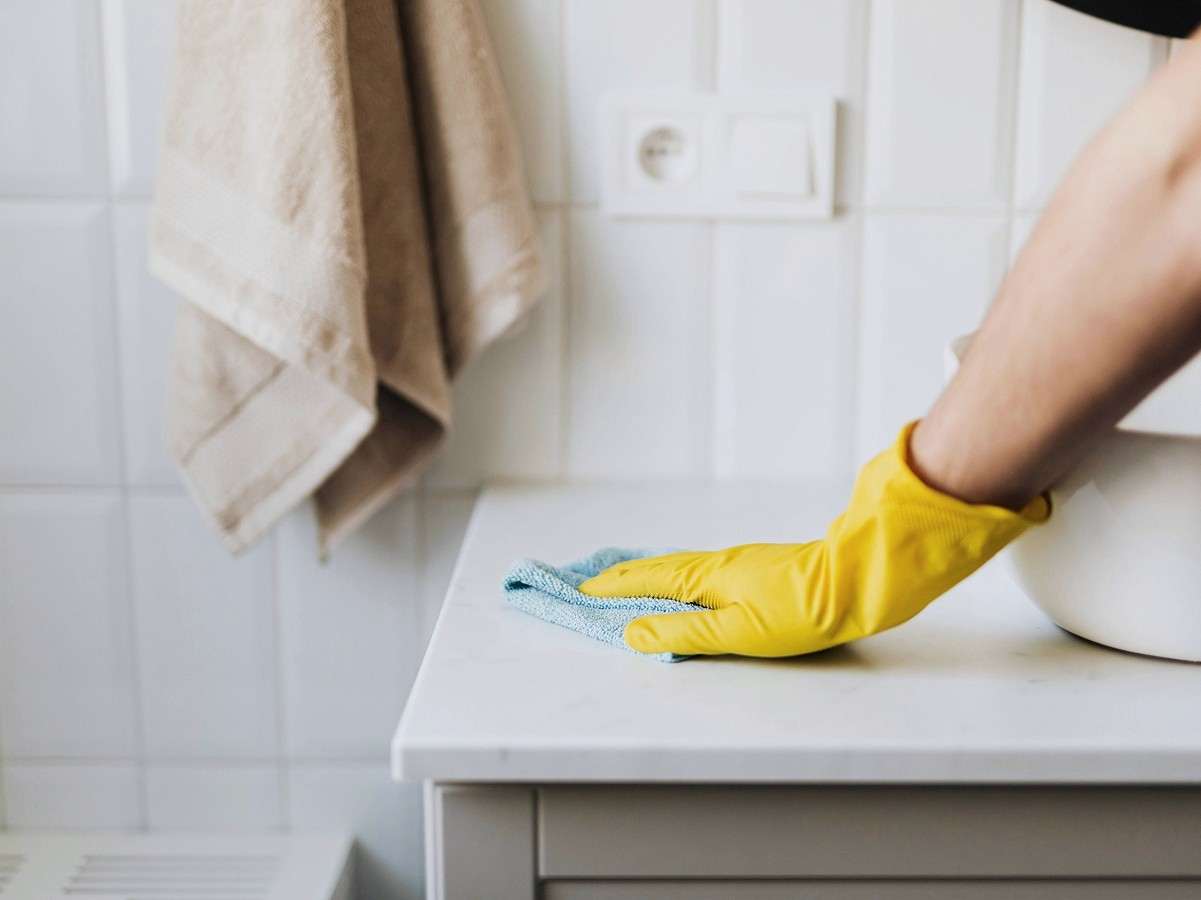
Home Cleaning
Home Cleaning
How often should you schedule a cleaning
How often should you schedule a cleaning
Deep cleaning frequency is not a fixed rule — it is a response system based on usage intensity, environmental exposure, and household size. Most homes fail not because they lack deep cleaning, but because they delay it past the optimal intervention window.
3
Months
85%
Reduction buildup
4x
Easier
The science behind recommended deep cleaning frequency
Dirt accumulation follows non-linear growth patterns. Grease, dust, and microbial layers bond more strongly after extended periods, increasing removal effort exponentially.
You’d think putting off a deep clean would save energy, but somehow it ends up feeling ten times harder than if you’d just kept up with the little maintenance tasks all along.
Cleaning frequency determines difficulty more than cleaning effort ever does. A small task done often never becomes a big task at all. Letting things slide doesn't just add dirt—it transforms maintenance into a chore, and a chore into an ordeal.
The structured scheduling model
This framework enables you to establish an optimal deep-cleaning frequency based on actual usage patterns, environmental factors, and other real-world conditions.
Low-Usage Homes (5–6 Months)
Occupancy, controlled environments, and low cooking activity allow extended intervals without buildup.Standard Family Homes (3–4 Months)
Balanced usage creates predictable accumulation cycles in kitchens and bathrooms requiring quarterly resets.High-Activity Homes (6–8 Weeks)
Children, pets, or cooking accelerate buildup and require more frequent intervention.Seasonal Reset Layer (6 Months Minimum)
Even low-use homes benefit from biannual deep resets to eliminate microscopic hidden accumulation zones.
A home doesn’t stay clean by effort — it stays clean by timing.
What to expect: A 30-day overview
Week 1
Improved freshness and clear proof of visible reduction in hidden buildup.
Week 2
Maintenance cleaning becomes easier.
Week 3
Slower accumulation across high-use zones.
Week 4
Cleaning effort stabilizes at a lower baseline.
Professional tips for scheduling correctly
Align deep cleaning with seasonal changes
Track buildup hotspots instead of guessing
Increase frequency after lifestyle changes
Combine with decluttering cycles
Don’t wait for visible dirt
Deep cleaning frequency is not a fixed rule — it is a response system based on usage intensity, environmental exposure, and household size. Most homes fail not because they lack deep cleaning, but because they delay it past the optimal intervention window.
3
Months
85%
Reduction buildup
4x
Easier
The science behind recommended deep cleaning frequency
Dirt accumulation follows non-linear growth patterns. Grease, dust, and microbial layers bond more strongly after extended periods, increasing removal effort exponentially.
You’d think putting off a deep clean would save energy, but somehow it ends up feeling ten times harder than if you’d just kept up with the little maintenance tasks all along.
Cleaning frequency determines difficulty more than cleaning effort ever does. A small task done often never becomes a big task at all. Letting things slide doesn't just add dirt—it transforms maintenance into a chore, and a chore into an ordeal.
The structured scheduling model
This framework enables you to establish an optimal deep-cleaning frequency based on actual usage patterns, environmental factors, and other real-world conditions.
Low-Usage Homes (5–6 Months)
Occupancy, controlled environments, and low cooking activity allow extended intervals without buildup.Standard Family Homes (3–4 Months)
Balanced usage creates predictable accumulation cycles in kitchens and bathrooms requiring quarterly resets.High-Activity Homes (6–8 Weeks)
Children, pets, or cooking accelerate buildup and require more frequent intervention.Seasonal Reset Layer (6 Months Minimum)
Even low-use homes benefit from biannual deep resets to eliminate microscopic hidden accumulation zones.
A home doesn’t stay clean by effort — it stays clean by timing.
What to expect: A 30-day overview
Week 1
Improved freshness and clear proof of visible reduction in hidden buildup.
Week 2
Maintenance cleaning becomes easier.
Week 3
Slower accumulation across high-use zones.
Week 4
Cleaning effort stabilizes at a lower baseline.
Professional tips for scheduling correctly
Align deep cleaning with seasonal changes
Track buildup hotspots instead of guessing
Increase frequency after lifestyle changes
Combine with decluttering cycles
Don’t wait for visible dirt
Deep cleaning frequency is not a fixed rule — it is a response system based on usage intensity, environmental exposure, and household size. Most homes fail not because they lack deep cleaning, but because they delay it past the optimal intervention window.
3
Months
85%
Reduction buildup
4x
Easier
The science behind recommended deep cleaning frequency
Dirt accumulation follows non-linear growth patterns. Grease, dust, and microbial layers bond more strongly after extended periods, increasing removal effort exponentially.
You’d think putting off a deep clean would save energy, but somehow it ends up feeling ten times harder than if you’d just kept up with the little maintenance tasks all along.
Cleaning frequency determines difficulty more than cleaning effort ever does. A small task done often never becomes a big task at all. Letting things slide doesn't just add dirt—it transforms maintenance into a chore, and a chore into an ordeal.
The structured scheduling model
This framework enables you to establish an optimal deep-cleaning frequency based on actual usage patterns, environmental factors, and other real-world conditions.
Low-Usage Homes (5–6 Months)
Occupancy, controlled environments, and low cooking activity allow extended intervals without buildup.Standard Family Homes (3–4 Months)
Balanced usage creates predictable accumulation cycles in kitchens and bathrooms requiring quarterly resets.High-Activity Homes (6–8 Weeks)
Children, pets, or cooking accelerate buildup and require more frequent intervention.Seasonal Reset Layer (6 Months Minimum)
Even low-use homes benefit from biannual deep resets to eliminate microscopic hidden accumulation zones.
A home doesn’t stay clean by effort — it stays clean by timing.
What to expect: A 30-day overview
Week 1
Improved freshness and clear proof of visible reduction in hidden buildup.
Week 2
Maintenance cleaning becomes easier.
Week 3
Slower accumulation across high-use zones.
Week 4
Cleaning effort stabilizes at a lower baseline.
Professional tips for scheduling correctly
Align deep cleaning with seasonal changes
Track buildup hotspots instead of guessing
Increase frequency after lifestyle changes
Combine with decluttering cycles
Don’t wait for visible dirt
Want results like this without the effort?
Let our professionals handle your home while you read. First clean satisfaction guaranteed.
Want results like this without the effort?
Let our professionals handle your home while you read. First clean satisfaction guaranteed.
Want results like this without the effort?
Let our professionals handle your home while you read. First clean satisfaction guaranteed.