Workspace Cleaning
Workspace Cleaning
Safe & dust-free post-construction cleaning tips
Safe & dust-free post-construction cleaning tips
Post-construction spaces don’t behave like normal dirty environments. They contain layered debris — fine dust, adhesive residues, micro-particles, and chemical film from paints and sealants. The goal is not just cleaning, but stabilizing air quality and removing hazardous particulates without redistributing them.
8
Hours
90%
Reduction
99%
Accuracy
The real science behind construction dust behavior
Construction dust is typically predominantly silica-based in many cases, meaning it remains airborne longer and resettles repeatedly after disturbance. Standard sweeping often worsens exposure by re-aerosolizing fine particles.
Effective post-construction cleaning follows particulate control logic — you remove air contamination first, surface contamination second, and embedded residues last.
Construction dust is not static dirt — it is a re-settling system that must be neutralized in layers.
The structured post-construction cleaning system
Engineered to maintain strict contamination control, this sequence prevents recontamination and manages airborne particles at every stage — from initial handling to final closure.
Air Stabilization Phase (0–30 Mins)
Open ventilation and, if available, use air filtration. Allow fine particles to settle before physical cleaning begins.Dry Particle Removal (30–120 Mins)
Use HEPA vacuum systems for floors, walls, and surfaces. Avoid dry sweeping — it redistributes dust instead of removing it.Surface Decontamination (120–240 Mins)
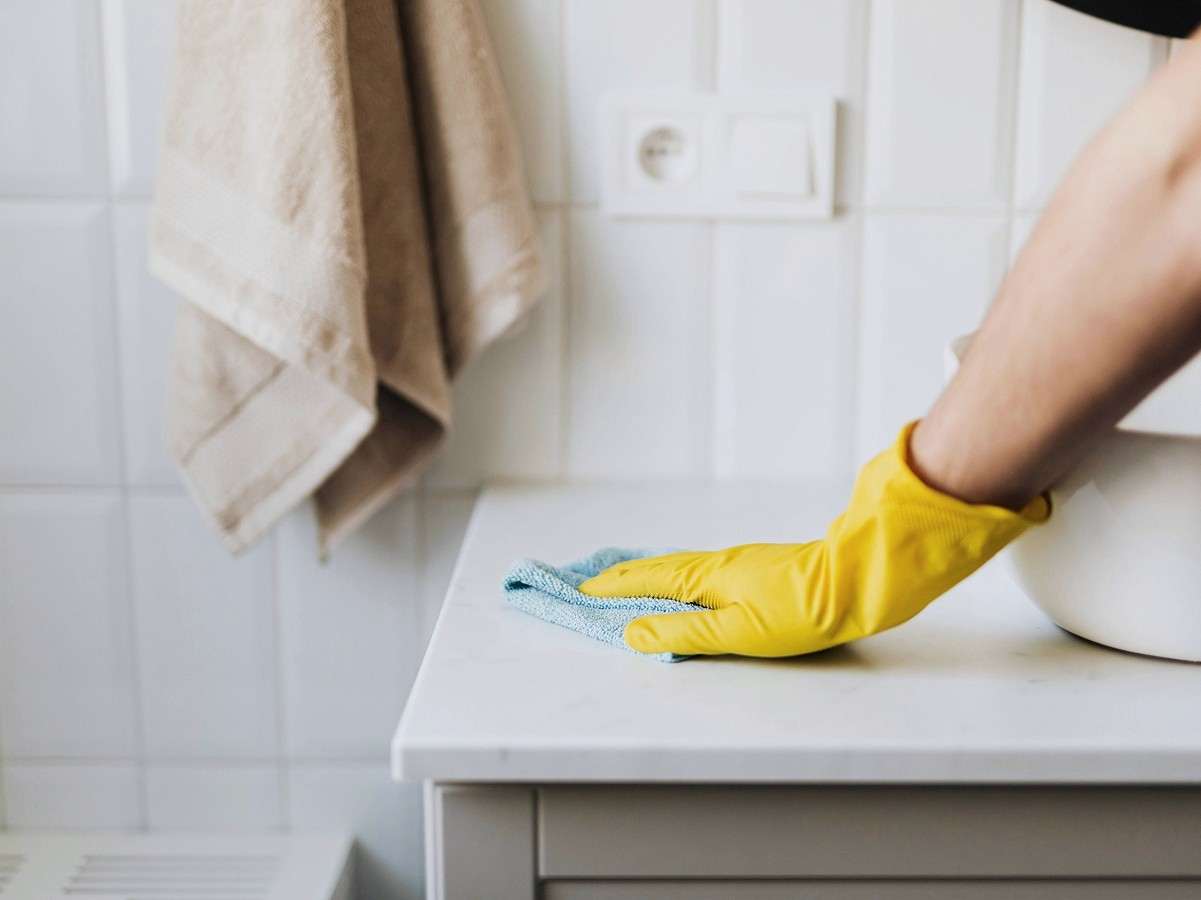
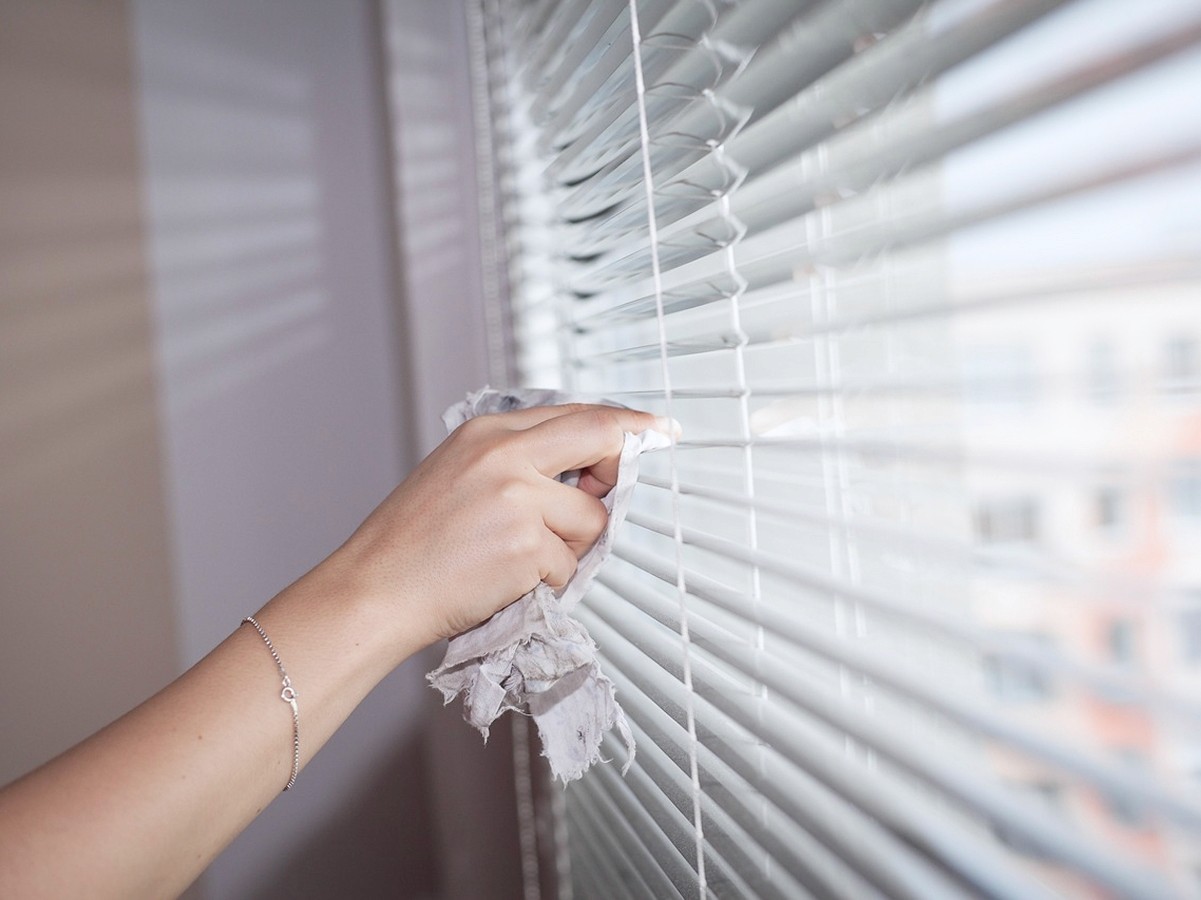
Wipe all surfaces using damp microfiber cloths. Focus on paint residue, adhesive marks, and window frames where dust settles heavily.Fixture & Detail Cleaning (240–360 Mins)
Clean switches, handles, vents, corners, and joints. These areas trap fine construction dust that is often missed.Final Pass (360–480 Mins)
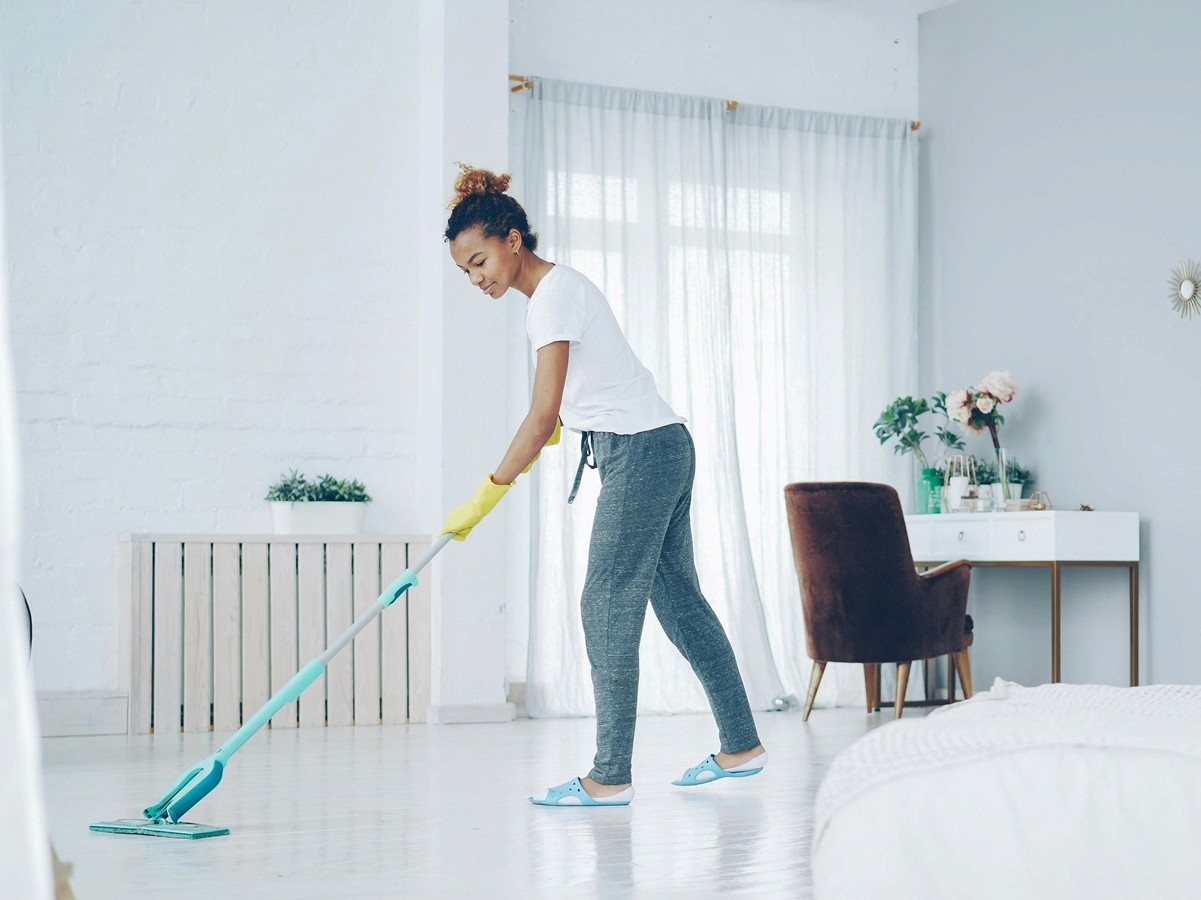
Final vacuum and mop cycle using minimal water to avoid dust slurry formation.
Post-construction cleaning is not about appearance first — it is about making the air safe to breathe again.
What to expect: A 30-day overview
Week 1
Visible dust reduction.
Week 2
Air quality stabilizes significantly with reduced sudden irritation.
Week 3
Residual dust zones gradually become rare and predictable over time.
Week 4
Space transitions into normal maintenance cleaning cycle.
Professional tips for safer execution
Always use HEPA-grade vacuum filtration
Never dry sweep newly constructed spaces without respiratory protection.
Clean systematically top-to-bottom to avoid cross recontamination.
Replace cleaning cloths frequently
Always Prioritize ventilation before and after cleaning cycles
Post-construction spaces don’t behave like normal dirty environments. They contain layered debris — fine dust, adhesive residues, micro-particles, and chemical film from paints and sealants. The goal is not just cleaning, but stabilizing air quality and removing hazardous particulates without redistributing them.
8
Hours
90%
Reduction
99%
Accuracy
The real science behind construction dust behavior
Construction dust is typically predominantly silica-based in many cases, meaning it remains airborne longer and resettles repeatedly after disturbance. Standard sweeping often worsens exposure by re-aerosolizing fine particles.
Effective post-construction cleaning follows particulate control logic — you remove air contamination first, surface contamination second, and embedded residues last.
Construction dust is not static dirt — it is a re-settling system that must be neutralized in layers.
The structured post-construction cleaning system
Engineered to maintain strict contamination control, this sequence prevents recontamination and manages airborne particles at every stage — from initial handling to final closure.
Air Stabilization Phase (0–30 Mins)
Open ventilation and, if available, use air filtration. Allow fine particles to settle before physical cleaning begins.Dry Particle Removal (30–120 Mins)
Use HEPA vacuum systems for floors, walls, and surfaces. Avoid dry sweeping — it redistributes dust instead of removing it.Surface Decontamination (120–240 Mins)
Wipe all surfaces using damp microfiber cloths. Focus on paint residue, adhesive marks, and window frames where dust settles heavily.Fixture & Detail Cleaning (240–360 Mins)
Clean switches, handles, vents, corners, and joints. These areas trap fine construction dust that is often missed.Final Pass (360–480 Mins)
Final vacuum and mop cycle using minimal water to avoid dust slurry formation.
Post-construction cleaning is not about appearance first — it is about making the air safe to breathe again.
What to expect: A 30-day overview
Week 1
Visible dust reduction.
Week 2
Air quality stabilizes significantly with reduced sudden irritation.
Week 3
Residual dust zones gradually become rare and predictable over time.
Week 4
Space transitions into normal maintenance cleaning cycle.
Professional tips for safer execution
Always use HEPA-grade vacuum filtration
Never dry sweep newly constructed spaces without respiratory protection.
Clean systematically top-to-bottom to avoid cross recontamination.
Replace cleaning cloths frequently
Always Prioritize ventilation before and after cleaning cycles
Post-construction spaces don’t behave like normal dirty environments. They contain layered debris — fine dust, adhesive residues, micro-particles, and chemical film from paints and sealants. The goal is not just cleaning, but stabilizing air quality and removing hazardous particulates without redistributing them.
8
Hours
90%
Reduction
99%
Accuracy
The real science behind construction dust behavior
Construction dust is typically predominantly silica-based in many cases, meaning it remains airborne longer and resettles repeatedly after disturbance. Standard sweeping often worsens exposure by re-aerosolizing fine particles.
Effective post-construction cleaning follows particulate control logic — you remove air contamination first, surface contamination second, and embedded residues last.
Construction dust is not static dirt — it is a re-settling system that must be neutralized in layers.
The structured post-construction cleaning system
Engineered to maintain strict contamination control, this sequence prevents recontamination and manages airborne particles at every stage — from initial handling to final closure.
Air Stabilization Phase (0–30 Mins)
Open ventilation and, if available, use air filtration. Allow fine particles to settle before physical cleaning begins.Dry Particle Removal (30–120 Mins)
Use HEPA vacuum systems for floors, walls, and surfaces. Avoid dry sweeping — it redistributes dust instead of removing it.Surface Decontamination (120–240 Mins)
Wipe all surfaces using damp microfiber cloths. Focus on paint residue, adhesive marks, and window frames where dust settles heavily.Fixture & Detail Cleaning (240–360 Mins)
Clean switches, handles, vents, corners, and joints. These areas trap fine construction dust that is often missed.Final Pass (360–480 Mins)
Final vacuum and mop cycle using minimal water to avoid dust slurry formation.
Post-construction cleaning is not about appearance first — it is about making the air safe to breathe again.
What to expect: A 30-day overview
Week 1
Visible dust reduction.
Week 2
Air quality stabilizes significantly with reduced sudden irritation.
Week 3
Residual dust zones gradually become rare and predictable over time.
Week 4
Space transitions into normal maintenance cleaning cycle.
Professional tips for safer execution
Always use HEPA-grade vacuum filtration
Never dry sweep newly constructed spaces without respiratory protection.
Clean systematically top-to-bottom to avoid cross recontamination.
Replace cleaning cloths frequently
Always Prioritize ventilation before and after cleaning cycles
Want results like this without the effort?
Let our professionals handle your home while you read. First clean satisfaction guaranteed.
Want results like this without the effort?
Let our professionals handle your home while you read. First clean satisfaction guaranteed.
Want results like this without the effort?
Let our professionals handle your home while you read. First clean satisfaction guaranteed.